Building PM/PdM Value with Condition Monitoring Standards

Victor Martinez
Technical Consultant Total Resource Management (TRM), Inc.
January 28, 2026
In maintenance and reliability, one of the biggest challenges is making sure preventive and predictive tasks are clear, consistent, and useful. Many times, organizations fall into the trap of vague instructions like “inspect motor” or “check bearings.” These don’t explain what to do, why it matters, or how it impacts reliability.
That’s where Condition Monitoring Standards (CMS) come in.
What is a CMS?
A CMS is a practical document that takes a specific component like an AC motor, a coupling, or a bearing and breaks it down into three key columns. We’ve developed more than 200 of these standards, covering equipment across multiples industries such as Pulp & Paper, Mining, Manufacturing, Oil & Gas, as well as specialized equipment like industrial robots, overhead cranes, electrical cabinets, enclosure air conditioners, debarkers, mining equipment, and others.
To ensure clarity, the CMS uses three main columns to define each component: 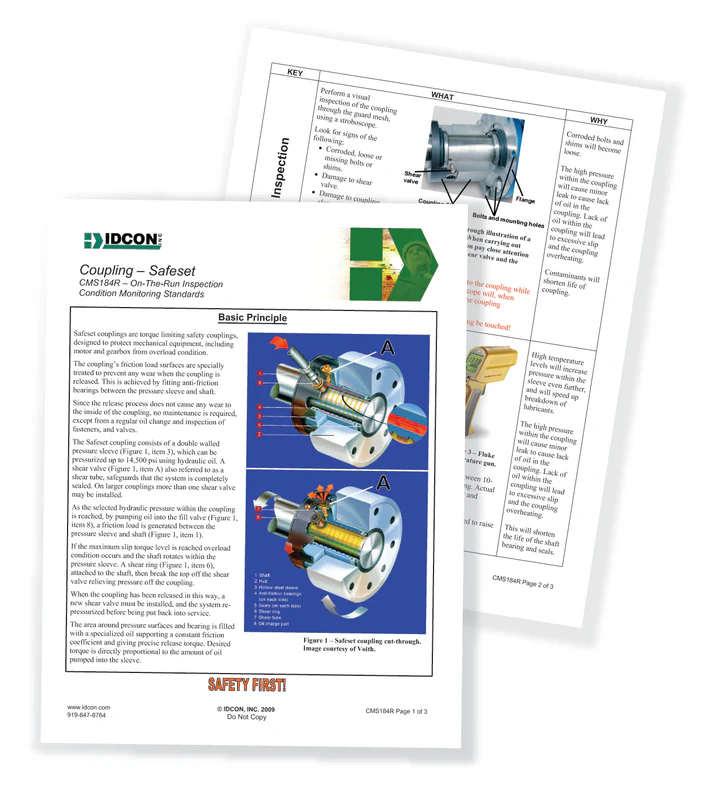
Key/Keyword: The area or feature to focus on (e.g., air intake, temperature, lubrication, etc.) What: The actual task to perform, written in concrete steps (e.g., “check for broken air intake fan”/ “scan motor surface with an infrared gun”). Why: The reason behind the task, linking it directly to reliability, safety, and performance (e.g., “temperature rise reduces motor life”/ “excess grease can damage winding insulation”). This “What + Why” structure is powerful because it eliminates guesswork. It also teaches new technicians the critical reason behind the inspection or task, which builds ownership and better execution in both operating and stopped environments.
How CMS Builds Stronger PM/PdM Programs
When organizations base their PM and PdM strategies on CMS documents, they see several benefits:
1. Standardization Across the Plant
With over 200 CMS templates (covering motors, couplings, bearings, chains, tanks, etc.), tasks become consistent across equipment and sites. Everyone speaks the same “maintenance language,” whether they’re working on a pump motor in one facility or a conveyor gearbox in another.
2. Clarity for Technicians and Operators.
Instead of “inspect bearing,” a CMS instructs how to do it and explains why it matters. This reduces variation between technicians, improves the quality of inspections, and helps new hires get up to speed faster. Also is a good baseline for operators that carry out basic maintenance inspections with simple and easy-to-follow language.
3. Better Decision-Making inPdM
CMS documents often point out when advanced techniques (such as vibration analysis, IR scanning, or ultrasound) should be applied. This helps balance preventive tasks with predictive monitoring, ensuring resources are used where they make the biggest impact.
4. Improved Asset Reliability and Safety
By linking every action to a reliability driver (heat, vibration, alignment, lubrication, etc.), CMS-based PM tasks target the real failure modes. This reduces unplanned downtime, prevents safety incidents (like exposed wiring), and extends asset life.
5. Foundation for a PMO Strategy
A PM Optimization (PMO) program can only succeed if it starts with good data. CMS provides that foundation—ready-to-use, component-level standards that can be tailored to specific equipment. Over time, this builds a knowledge base that supports criticality analysis, spare parts management, and overall reliability strategy.
Moving Beyond “Check the Box” PMs
It is often said that the difference between a weak PM program and a strong one comes down to the quality of the tasks. CMS ensures that every PM or PdM instruction is tied to a failure mode, clearly explained, and technically justified. 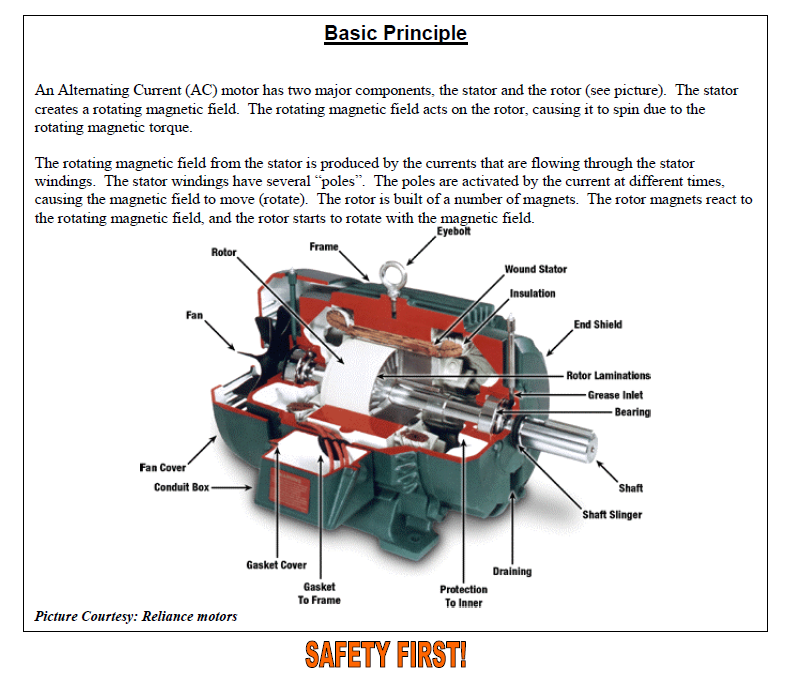
Instead of wasting time on “check the motor,” teams focus on tasks that prevent real failures tasks backed by engineering, experience, and reliability logic.
With around 200 CMS standards already available (from bearings to tanks to motors), organizations have a ready-made toolkit for building world-class PM and PdM strategies without reinventing the wheel each time.
How We Can Help
As part of the TRM family, IDCON brings decades of practical reliability experience to support and strengthen TRM’s maintenance and asset management solutions. We don’t just provide theory—we deliver proven tools and methods that work in the field.
Our CMS Library and CMS Database are built on more than 53 years of hands-on experience across multiple industries. Working closely with clients, our approach helps to:
- Implement CMS-based Preventive and Predictive Maintenance (PM/PdM) strategies tailored to specific equipment and operating conditions
- Train and coach teams on how to execute CMS tasks effectively and consistently
- Support PM Optimization (PMO) initiatives by aligning maintenance tasks with real, documented failure modes
- Build long-term reliability through standardized practices that are sustainable and practical
- Codify CMS knowledge into CMMS and EAM system workflows either directly, or through specialized software like our Asset Care Essentials application
Demonstrate the value of a good PM strategy
A practical way to introduce CMS-based PM/PdM routes is to begin with a pilot area. By focusing on a single line, department, process, or machine, teams can achieve quick wins, such as more consistent inspections, earlier detection of potential failures, elimination of low-value tasks, and improved route consistency. Starting with a pilot helps avoid overwhelming change while allowing early results to build confidence, boost morale, and make it easier to expand across the site. The pilot phase also provides an opportunity to review maintenance backlogs, validate the asset hierarchies, identify critical spare parts and Bills of Material (BOM).
Building Lasting Reliability
Once implemented, CMS-based PM/PdM routes deliver lasting benefits: standardized inspections, reduced differences in how technicians perform tasks, and improved reliability by addressing real failure modes. Removing outdated or ineffective activities frees up time and resources for higher-value work, while clear “what and why” instructions improve understanding, engagement, and team buy-in.
These CMS practices become even more effective when they are supported by condition data from sensors and IoT-enabled systems. By combining consistent, hands-on inspections with real-time equipment data, teams gain better visibility into asset health and can identify issues sooner. This blend of practical CMS execution and modern condition monitoring helps organizations shift from reactive work to more proactive, reliability-focused maintenance.
Extend the Value of CMS with Proven Resources and Support
To support organizations at every stage of their reliability journey, TRM and IDCON offer practical resources that extend the value of CMS-based PM and PdM programs.
IDCON’s Condition Monitoring Standards Volume 1 through 5 books (Sample) provide a detailed, hands-on guide for building effective PM/PdM routes. These volumes translate CMS principles into clear inspection methods, failure mode examples, and real-world applications that technicians and engineers can immediately apply in the field. (Available through IDCON.)
For organizations seeking a more comprehensive, guided approach, TRM’s Asset & Cost Excellence (ACE) offering integrates CMS-based maintenance strategies into a broader asset management framework. ACE helps align maintenance execution, cost control, and reliability improvement—ensuring CMS efforts to deliver measurable, sustainable business results.
By applying CMS as part of TRM’s broader reliability and asset management approach, organizations do more than standardize documents—they build a culture of reliability. With IDCON’s expertise and TRM’s integrated solutions, maintenance teams move beyond checklists toward sustainable practices that extend equipment life, reduce costs, and improve safety.
Contact TRM or IDCON today to start the conversation and take the next step toward sustainable reliability and performance.
Follow me on Linkedin for practical insights on asset management and maintenance.
Ready to elevate your asset management?
Connect with TRM to start your journey toward exceptional performance.
Related Resources
Explore insights, guides, and tools designed to help you unlock greater asset management performance and business value.


Unlock smarter
asset management
Ready to elevate your asset management?
Connect with TRM to start your journey toward
exceptional performance.